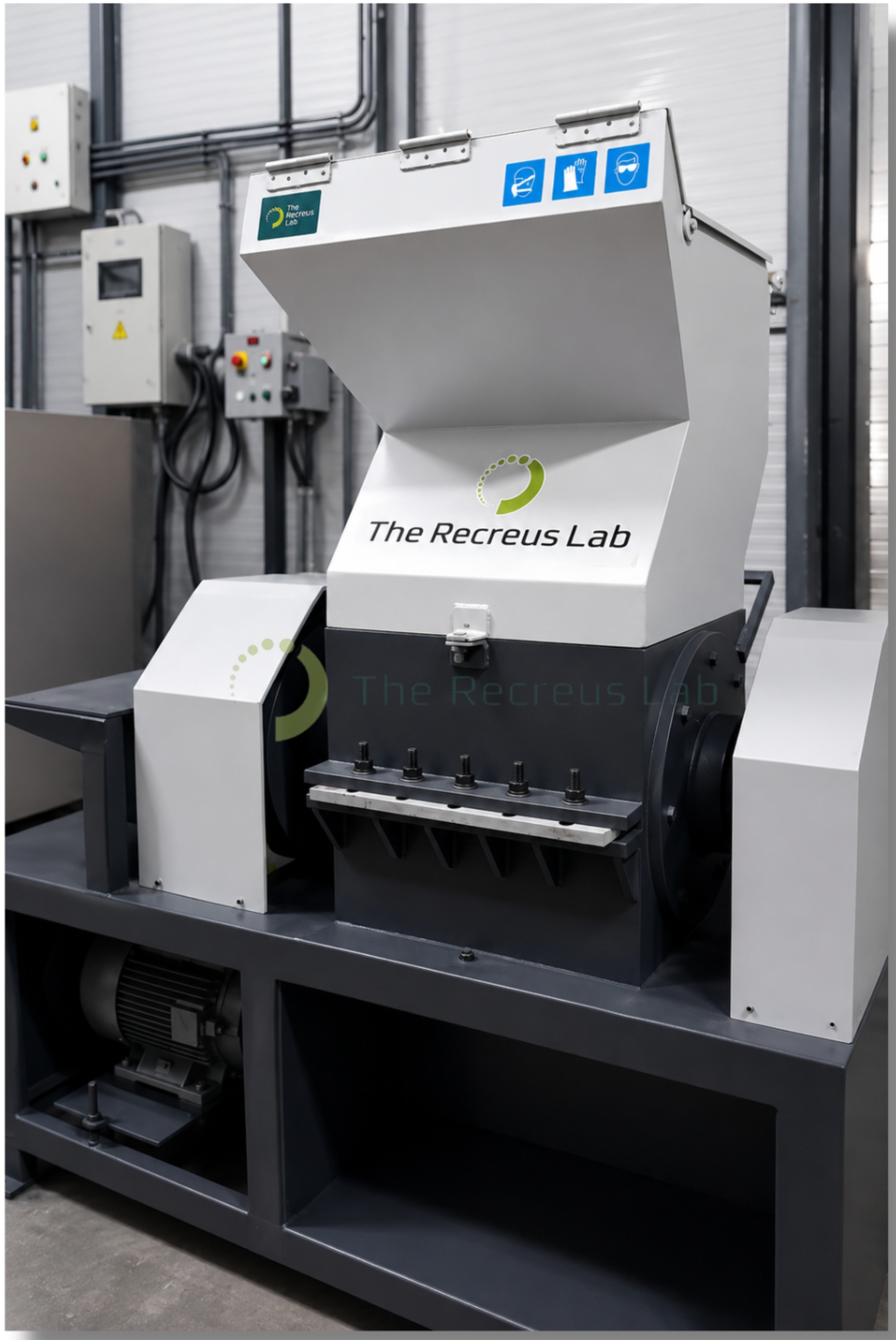
India is one of the world's major industrial and manufacturing markets, with strong sectors including plastics, packaging, chemicals, automotive, pharmaceuticals, agriculture, textiles, FMCG, and engineering. With manufacturing and recycling activities expanding across major industrial regions, the need for efficient plastic waste processing and recycling solutions is increasing. As industries focus on reducing production waste and improving material recovery, the demand for reliable plastic grinder machines is growing across India.
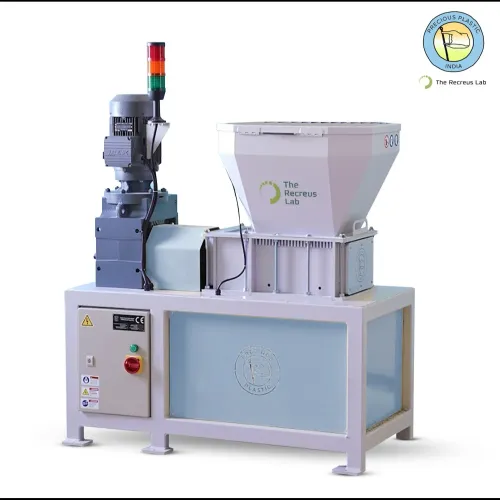
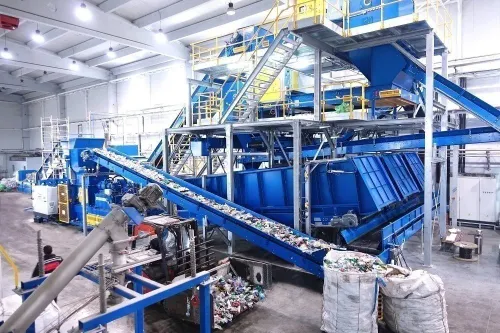
A high-performance plastic grinder machine plays an important role in modern plastic recycling operations by converting plastic scrap into uniform and reusable flakes. Whether processing post-industrial waste, rejected injection-molded products, PET bottles, HDPE containers, PVC pipes, plastic crates, films, or packaging waste, an efficient grinder machine helps businesses improve productivity, reduce material wastage, and optimize raw material utilization. Integrating a grinder into a complete recycling system creates a more efficient workflow while supporting circular economy initiatives.
Modern plastic grinder machines are designed to process a wide range of polymers, including HDPE, LDPE, PP, PET, PVC, ABS, HIPS, nylon, and other engineering plastics. Equipped with durable blades, robust crushing chambers, precision cutting systems, and efficient motors, these machines are engineered to deliver consistent output with reliable performance. Their strong industrial construction makes them suitable for continuous operations in recycling facilities and plastic manufacturing units.
For businesses handling bulky, thick, or high-volume plastic waste, a heavy-duty grinder machine in India provides the required processing strength and production capacity. These machines can process plastic drums, crates, large pipes, automotive components, thick-walled containers, injection-molding runners and sprues, and other industrial plastic scrap. Reinforced machine structures, durable bearing systems, and optimized cutting configurations help ensure dependable performance under demanding working conditions.
Selecting the right plastic grinder machine depends on several important factors, including the type of plastic material, material thickness, feed size, required output size, screen size, and production capacity. Compact models can support small and medium-scale recycling operations, while larger industrial systems are suitable for facilities processing high volumes of plastic scrap. Motor capacity, interchangeable screens, blade design, and customized machine configurations can further optimize performance according to specific recycling requirements.
When investing in a crusher machine, businesses should consider long-term operational efficiency rather than focusing only on the initial machine cost. Blade life, energy consumption, maintenance requirements, spare-parts availability, machine durability, and after-sales support all influence the overall return on investment. A properly configured plastic grinder machine can help reduce downtime, improve material recovery, and increase the overall productivity of a recycling operation.
As India continues to strengthen its position as a major manufacturing and recycling hub, advanced plastic processing technology is becoming increasingly important. A high-performance plastic grinder machine enables manufacturers, recyclers, and waste management companies to convert plastic scrap into valuable reusable material, reduce disposal requirements, control raw material costs, and support a more sustainable circular economy.
With the right plastic grinder machine, businesses across India can build more efficient recycling operations while transforming plastic waste into a valuable resource for future manufacturing.
For machinery inquiries, customized configurations, or strategic partnerships, contact The Recreus Lab at connect@therecreuslab.com